The Archivist's Vault: Cataloging the Ephemera of Forgotten Gaming Experiences
There's a quiet melancholy that settles over a collector’s heart when encountering a truly forgotten board game. Not the fleeting nostalgia for a beloved childhood favourite, but the profound sense of witnessing something almost entirely erased from memory. It’s akin to finding a perfectly preserved sheet of music from a composer who vanished without a trace – the potential for beauty and connection remains, but the context, the audience, the very reason for its existence, feels tragically lost. My work here, cataloging these relics, isn’t just about preserving games; it’s about preserving the echoes of the people who played them, their hopes, their laughter, and their shared experiences.
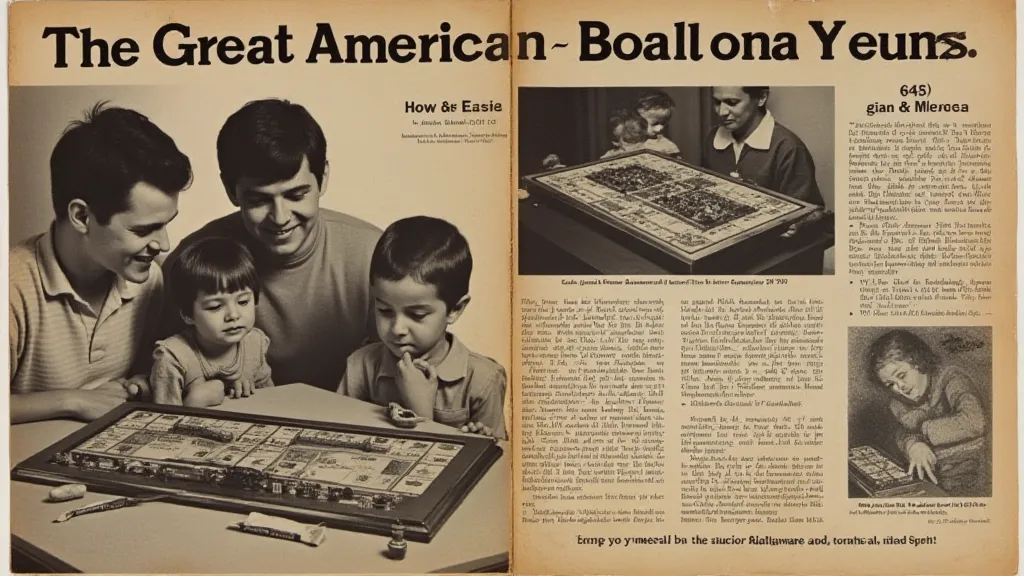
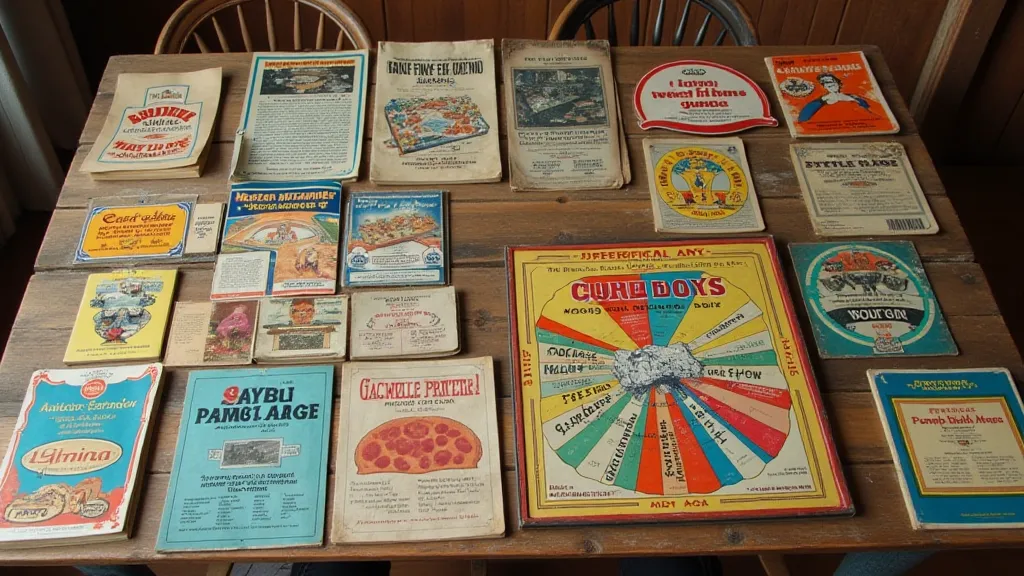
We often focus on the games themselves, the cardboard and the rules. But the true richness lies in the surrounding ephemera – the faded advertisements promising unparalleled evenings of family fun, the promotional leaflets boasting ingenious mechanics, the handwritten play records documenting victory and defeat. These aren’t mere advertisements; they’re time capsules, offering a unique window into the gaming culture of the past. Imagine holding a pristine copy of “The Great American Railroad Race” from 1962, not just seeing the game board, but also the vibrant magazine ad featuring a family gathered around, their faces lit by the excitement of competition. That image speaks volumes about the aspirations and values of a generation – the emphasis on family, on competition, and on the promise of wholesome entertainment.
The Poetry of Packaging
The craftsmanship alone deserves recognition. Before mass production became the norm, board game packaging was an art form. Heavy cardstock, often with embossed lettering or intricate die-cut windows, suggested quality and longevity. The artwork, meticulously hand-painted or carefully rendered in lithography, wasn't just decoration; it was a narrative – a promise of adventure, strategy, or escape. Think of the elegant Art Deco packaging of a game like "Atlantis" from the 1930s, with its bold geometric designs and sophisticated typography. It's a far cry from the often-generic packaging of modern games, reflecting a time when manufacturers took immense pride in the overall presentation. The design choices, the materials used, all contributed to a holistic experience that went far beyond simply containing the game itself. This careful consideration of aesthetics is something many modern game designers are beginning to rediscover, seeking inspiration from these vintage examples.
Many of these older games also featured components of remarkable quality. Wooden pieces, carefully shaped and finished, replaced the ubiquitous plastic tokens of today. The game boards themselves, often printed on thick, linen-textured paper, were a pleasure to touch and behold. A simple act, like moving a wooden pawn across a hand-drawn track, becomes a tactile experience, imbued with a sense of history and artistry. It’s not just about winning; it's about the journey, the feel of the game in your hands, the connection to the people who designed and crafted it. The appeal of these components isn’t just superficial; it speaks to a deeper understanding of the role of sensory experience in play, a concept that resonates even with those crafting new gaming experiences. Consider how modern designers might seek to recapture that sense of weight and quality in a tabletop creation – perhaps through the use of custom-made wooden tokens or luxurious board stock.
Whispers from the Play Records
But the most evocative pieces of ephemera are often the handwritten play records – those scraps of paper tucked away in game boxes, bearing witness to countless evenings of laughter, frustration, and triumph. These aren't formal scorecards; they’re intimate glimpses into the lives of ordinary people. A quick note scribbled on the back of a shipping label: "Grandpa won again! – July 21st, 1978.” Or a more detailed account: “Sarah beat David – excellent strategy! – Christmas Day, 1985.” These snippets offer a profound sense of connection – a feeling of stepping into a room and witnessing a moment that occurred decades ago. They reveal so much more than just who won; they hint at family dynamics, inside jokes, and the very fabric of shared memories. The stories held within these play records are, in a way, just as important as the games themselves.
Recently, I unearthed a nearly complete play record for "Trax!”, a racing game from the 1970s. It wasn't just a list of winners; it included running jokes, inside references, and even a hastily drawn caricature of a particularly persistent player. It transformed the game from a simple collection of cardboard and dice into a vibrant chronicle of a family's shared history. These records are the true treasure – the living proof that these games weren’t just products; they were vehicles for connection, for storytelling, and for creating lasting memories. They serve as a poignant reminder of the powerful role games have played in fostering human connection across generations. Thinking about the narrative potential embedded within these vintage games leads one to ponder how modern design can be used to similarly encourage shared storytelling and lasting memories—perhaps through built-in prompts, character creation, or even collaborative world-building.

The Challenge of Restoration and Preservation
Preserving these fragments of the past is, of course, a constant challenge. Cardboard yellows with age. Ink fades. Components break. Dust settles, obscuring the vibrant colors and intricate details. But careful restoration, using archival-quality materials and gentle techniques, can often breathe new life into these forgotten treasures. It's not about erasing the passage of time; it's about stabilizing the materials and preventing further deterioration. A little archival tape, a gentle cleaning with a soft brush, and a carefully chosen storage environment can make all the difference. The process itself reveals a great deal about the construction and materials of the era, often providing invaluable insights for those studying design history. The meticulous care involved in preserving these items underscores the dedication and artistry that went into their original creation.
Collecting these games and their ephemera isn't just about acquiring objects; it's about accepting a responsibility – a commitment to safeguarding these fragile memories for future generations. It’s about sharing these stories, about bringing these forgotten games back into the light, and about reminding people of the power of tabletop gaming to connect us to each other and to the past. The appeal extends beyond the avid collector; it's a yearning to recapture a simpler time, a time when family gatherings were centered around shared experiences, and the rewards were measured not in points or prizes, but in laughter and connection. This desire to reconnect with simpler times and shared experiences has prompted a resurgence in tabletop gaming, with designers seeking to recapture the charm and warmth of vintage classics.
Beyond the Rules: The Essence of Experience
Ultimately, what these forgotten board games offer is a glimpse into a different era – an era of slower-paced entertainment, of handmade craftsmanship, and of a deeper appreciation for the simple pleasures of human interaction. They remind us that gaming isn't just about winning; it's about the journey, the shared experience, and the creation of lasting memories. They are a testament to the enduring power of play – a power that transcends generations and connects us to the shared human experience. The nuances of gameplay, the interactions between players, and the overall atmosphere of shared fun – these are the elements that truly define a memorable gaming experience, and they’re often overlooked in the pursuit of increasingly complex rulesets.
Consider a game like “Chinatown”, a complex negotiation game from the 1970s. The rules alone can be daunting. But looking beyond those rules, examining the advertisements depicting families engrossed in strategic bargaining, and finding a handwritten note about a particularly heated negotiation – that’s when the true essence of the game is revealed. It’s not just about buying and selling properties; it's about the thrill of the deal, the tension of the competition, and the shared laughter that follows. And that, I believe, is a feeling worth preserving. It’s a feeling that modern game designers are striving to recapture, attempting to create experiences that are not just engaging but also foster genuine human connection. This drive to understand the deeper psychology of play is evident in many contemporary designs, which often incorporate elements of social interaction and collaborative storytelling. As designers delve deeper into the human aspects of play, the lines between game and shared experience continue to blur.
The design choices of these vintage games often relied on a keen understanding of how to create a compelling narrative – a feeling that can be applied to many aspects of design. For those interested in this topic, exploring The Alchemist's Crucible: Transmuting Nostalgia into Modern Game Design offers a fascinating look at how designers are drawing inspiration from vintage games to create new and engaging experiences.
The enduring appeal of these games also speaks to the inherent human desire for storytelling and shared experiences. Examining the narrative scaffolding within seemingly abstract games can be incredibly rewarding. As explored in The Storyteller’s Bones: Analyzing the Narrative Scaffolding of Abstract Board Games, even games without a clear narrative arc can create memorable and emotionally resonant experiences for players.
Furthermore, the themes and representations found in vintage games offer a unique window into the societal values and biases of the time. Delving deeper into these issues, The Obsidian Mirror: Reflections of Society in Forgotten Board Game Themes, provides a thought-provoking analysis of how these games reflected and sometimes perpetuated societal norms.
Finally, unexpected consequences and quirks often shaped the evolution of board games, leading to unforeseen rules modifications and gameplay innovations. For those intrigued by the behind-the-scenes development of these classic games, The Phantom Mechanic: How Unintended Consequences Shaped Board Game Evolution offers a fascinating look at the often-unforeseen path of board game design.